

When I switched careers into data, I jumped straight into tools and technologies. Looking back, I should have started with the DAMA Fundamentals course. It would have given me the conceptual foundation I was missing all along. A few years ago, when I first heard about citizen development, the pitch was simple: anyone can do it. Just jump in and start creating.

So I did. And honestly? I made it work. Sort of. I built things, solved problems, delivered results. But I was essentially figuring it out as I went, without really understanding the principles underneath. It held together. It looked like it worked. But I was missing something fundamental.
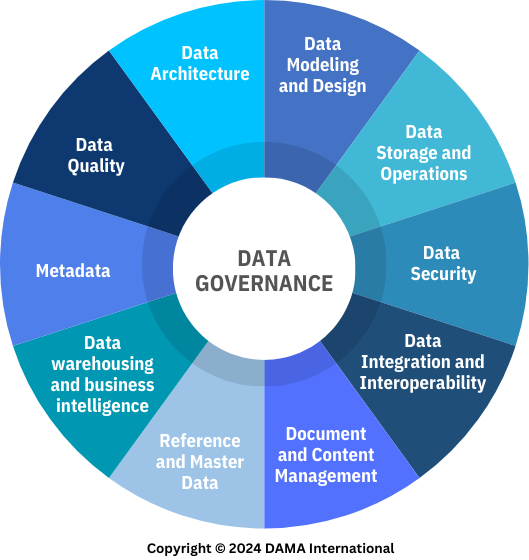
DAMA, the Data Management Association (dama.org), provides a framework for how data should be managed, governed, and used across an organization. It’s not just for data engineers or DBAs—it’s for anyone working with data, which these days is most of us.
For data analysts, these principles matter because we’re often the bridge between raw data and business decisions. We build reports, create dashboards, tell stories with data. But without understanding data quality, metadata, governance, or architecture, we’re operating without the foundational knowledge that makes everything else make sense.
I got by without it. I learned on the job, picked things up as I went. But I was always playing catch-up, learning things in bits and pieces rather than understanding how they all fit together.
Taking the DAMA Fundamentals course was a good reminder of things I’d probably sensed but never formalized. It gave me language for concepts I’d been bumping into without names for them. More importantly, it gave me the foundation I should have started with.
DAMA offers certification programs and local chapters if you want to go deeper or connect with other data professionals.
Samantha Magnus has an intro course that’s a solid starting point if you’re curious.
I’m not saying everyone needs this, but for someone who jumped into data sideways like I did, it filled in a lot of blanks.